From Wikidata and Wikipedia's lists, which cite UNESCO, the Ramsar Convention, the NTCA and the ASI.
Built2004
Why it is famous
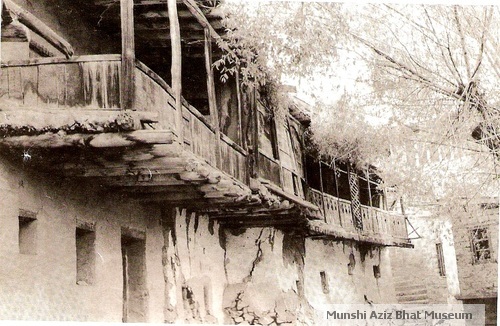
The Munshi Aziz Bhat Museum of Central Asian and Kargil Trade Artefacts is a family-operated, public museum located in the town of Kargil, in the union territory of Ladakh, India. The museum has on display objects that circulated along the trade routes between Ladakh and Yarkand, as well as other are material relics.
About text: Wikipedia (CC BY-SA 4.0), shortened and lightly edited.
What is in the museum
The museum's collection consists primarily of artefacts unearthed at the rest house (Sarai) built by Munshi Aziz Bhat, as also donations by townsfolk and heirs of erstwhile merchants and royalty. Even though the number of artefacts in the museum's possession has grown steadily over the past eight years – it currently houses over 3500 artefacts including a range of mercantile items associated with trade along the Silk Route – only 1000 are on display due to lack of space.
From the "Artefacts" part of its Wikipedia article (CC BY-SA 4.0), shortened, not a government source.
Things to know before your trip to Munshi Aziz Bhat Museum of Central Asian and Kargil Trade Artefacts
Rules that catch travellers out: liquor, permits, passes, phones, dress and customs. Each one names its source.
Health and medicines
Rest 48 hours after you reach Leh
Leh is high up, so the Tourism Department asks visitors to allow at least 48 hours to get used to the thin air, with full rest on the first day, before going to Pangong Lake or the high passes.
Prepaid numbers from other States have not been allowed to roam in the Jammu and Kashmir telecom area, which also covers Ladakh; postpaid numbers have worked. Ask your mobile company before you go.
Only visitors' own ratings are shown; JanWatchdog does not rate places or take money for reviews. See this place on Google Maps, which has its own reviews.