JanWatchdog (जन निगरानी)

See where public money goes, from the Centre to your district

Support Us

Haiderpur Wetland

Ramsar siteBird sanctuary

Important facts

From Wikipedia's lists and Wikidata, which cite UNESCO, the Ramsar Convention, the NTCA and the Ministry of Environment.

KindRamsar site, Bird sanctuary
StateUttar Pradesh
Area69.08 sq km
Ramsar site since13 April 2021
Animals named17

Find the way there.

Route on the map

Animals of Haiderpur Wetland 17

Threatened, on the IUCN Red List 5

Critically Endangered, Endangered, Vulnerable or Near Threatened.

White-rumped vulture
Photo: (Image: Goran Ekstrom), CC BY 2.5
White-rumped vultureBird, IUCN: Critically EndangeredGyps bengalensis

Critically Endangered

Click to know more
Gharial
Photo: Bo Link from Knoxville, TN, USA, CC BY 2.0
GharialReptile, IUCN: Critically EndangeredGavialis gangeticus

Critically Endangered

Click to know more
Barasingha
Photo: T. R. Shankar Raman, CC BY-SA 3.0
BarasinghaMammal, IUCN: VulnerableRucervus duvaucelii

VulnerableState animal of Uttar Pradesh

Click to know more
Leopard
Photo: Sumeet Moghe, CC BY-SA 4.0
LeopardMammal, IUCN: VulnerablePanthera pardus

Vulnerable

Click to know more
Indian python
Photo: Tigerpython, CC BY-SA 3.0
Indian pythonReptile, IUCN: Near ThreatenedPython molurus

Near Threatened

Click to know more

Famous here 1

Named in the description of this place, or a national or State animal or bird.

Nilgai
Photo: The original uploader was Karthickbala at Tamil Wikipedia., Public domain
NilgaiMammal, IUCN: Least ConcernBoselaphus tragocamelus

State animal of Delhi

Click to know more

Other animals 11

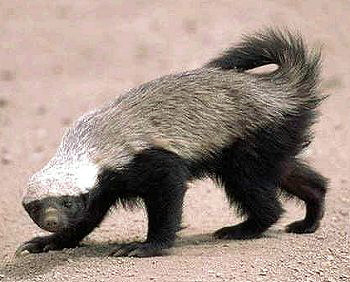
Honey badger
Photo: en:User:Jaganath, CC BY-SA 3.0
Honey badgerMammal, IUCN: Least ConcernMellivora capensisClick to know more
Muskrat
Photo: David Menke, Public domain
MuskratMammal, IUCN: Least ConcernOndatra zibethicusClick to know more
Wild boar
Photo: Valentin Panzirsch, CC BY-SA 3.0 at
Wild boarMammal, IUCN: Least ConcernSus scrofaClick to know more
Wolf
Photo: User:Mas3cf, CC BY-SA 4.0
WolfMammal, IUCN: Least ConcernCanis lupusClick to know more
Baya weaver
Photo: Dr. Raju Kasambe, CC BY-SA 4.0
Baya weaverBird, IUCN: Least ConcernPloceus philippinusClick to know more
Common nightingale
Photo: Արարատ Թրվանց, CC BY-SA 4.0
Common nightingaleBird, IUCN: Least ConcernLuscinia megarhynchosClick to know more
Red avadavat
Photo: Tisha Mukherjee, CC BY-SA 4.0
Red avadavatBird, IUCN: Least ConcernAmandava amandavaClick to know more
Red-vented bulbul
Photo: K. Hari Krishnan, CC BY-SA 3.0
Red-vented bulbulBird, IUCN: Least ConcernPycnonotus caferClick to know more
Tricoloured munia
Photo: J.M.Garg, CC BY-SA 3.0
Tricoloured muniaBird, IUCN: Least ConcernLonchura malaccaClick to know more
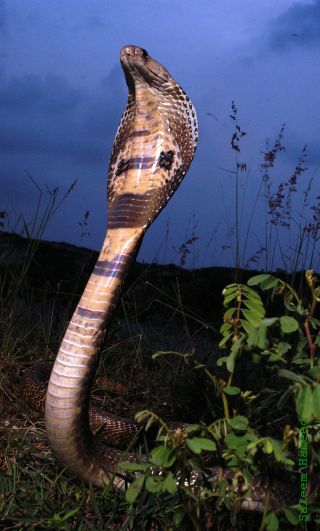
Indian cobra
Photo: Saleem Hameed, CC BY 2.5
Indian cobraReptile, IUCN: Least ConcernNaja najaClick to know more

Animals named in its Wikipedia article (CC BY-SA 4.0, not a government source), which may name animals seen once or no longer found there. IUCN status: Wikidata, from the IUCN Red List. Found only in India: Wikipedia's list of India's endemic animals. Photos: Wikimedia Commons.

About

Haiderpur wetland is a UNESCO Ramsar site located near the Bijnor Ganga Barrage within the Hastinapur Wildlife Sanctuary in Uttar Pradesh, India.

About text: Wikipedia (CC BY-SA 4.0), shortened.

Cities nearby on our pages

Bijnor
Photo: Azeemarshi, CC BY-SA 4.0
BijnorAbout 9 km away in a straight lineClick to know more
Hastinapur
Photo: Pratyk321, CC BY-SA 4.0
HastinapurAbout 23 km away in a straight lineClick to know more
Muzaffarnagar
Photo: Superfast1111, CC BY-SA 3.0
MuzaffarnagarAbout 33 km away in a straight lineClick to know more

Tags and facts: Wikidata (CC0), from UNESCO, the Ramsar Convention, the National Tiger Conservation Authority and the Archaeological Survey of India; lists and descriptions from Wikipedia (CC BY-SA 4.0), not a government source; biodiversity hotspots from Conservation International's 2016 map (CC BY-SA 4.0); photos from Wikimedia Commons. Awards: the source named with each.