JanWatchdog (जन निगरानी)

See where public money goes, from the Centre to your district

Support Us

Kumbhalgarh Wildlife Sanctuary

Wildlife sanctuary

Important facts

From Wikipedia's lists and Wikidata, which cite UNESCO, the Ramsar Convention, the NTCA and the Ministry of Environment.

KindWildlife sanctuary
StateRajasthan
District or townPali, Udaipur
Area610.53 sq km
Set up1971
Animals named19

Find the way there.

Route on the map

Animals of Kumbhalgarh Wildlife Sanctuary 18

Found only in India 1

Native to India and found nowhere else in the wild.

Grey junglefowl
Photo: Yathin S Krishnappa, CC BY-SA 3.0
Grey junglefowlBird, IUCN: Least ConcernGallus sonneratii

Only in India

Click to know more

Threatened, on the IUCN Red List 4

Critically Endangered, Endangered, Vulnerable or Near Threatened.

Sambar deer
Photo: Rashityagi, CC BY-SA 4.0
Sambar deerMammal, IUCN: VulnerableRusa unicolor

VulnerableState animal of Odisha

Click to know more
Four-horned antelope
Photo: Mohan Raj, CC BY-SA 3.0
Four-horned antelopeMammal, IUCN: VulnerableTetracerus quadricornis

Vulnerable

Click to know more
Sloth bear
Photo: Saumitra Newalkar, CC BY-SA 4.0
Sloth bearMammal, IUCN: VulnerableMelursus ursinus

Vulnerable

Click to know more
Striped hyena
Photo: Mariomassone, CC BY-SA 4.0
Striped hyenaMammal, IUCN: Near ThreatenedHyaena hyaena

Near Threatened

Click to know more

Famous here 2

Named in the description of this place, or a national or State animal or bird.

Chinkara
Photo: Mike Prince from Bangalore, India, CC BY 2.0
ChinkaraMammal, IUCN: Least ConcernGazella bennettii

State animal of Rajasthan

Click to know more
Nilgai
Photo: The original uploader was Karthickbala at Tamil Wikipedia., Public domain
NilgaiMammal, IUCN: Least ConcernBoselaphus tragocamelus

State animal of Delhi

Click to know more

Other animals 11

Golden jackal
Photo: Giles Laurent, CC BY-SA 4.0
Golden jackalMammal, IUCN: Least ConcernCanis aureusClick to know more
Indian hare
Photo: A.Savin, FAL
Indian hareMammal, IUCN: Least ConcernLepus nigricollisClick to know more
Indian leopard
Photo: Davidvraju, CC BY-SA 4.0
Indian leopardMammalPanthera pardus fuscaClick to know more
Indian wolf
Photo: Wang et al., CC BY 4.0
Indian wolfMammalCanis lupus pallipesClick to know more
Jungle cat
Photo: L. Shyamal, CC BY-SA 3.0
Jungle catMammal, IUCN: Least ConcernFelis chausClick to know more
Indian eagle-owl
Photo: Supradai, CC BY 4.0
Indian eagle-owlBird, IUCN: Least ConcernBubo bengalensisClick to know more
Checkered keelback
Photo: Saleem Hameed <saleemham at rediffmail.com>, CC BY 2.5
Checkered keelbackReptile, IUCN: Least ConcernXenochrophis piscatorClick to know more
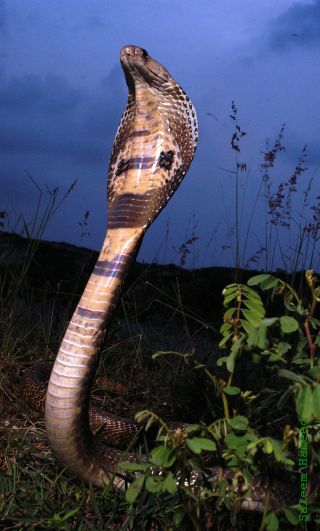
Indian cobra
Photo: Saleem Hameed, CC BY 2.5
Indian cobraReptile, IUCN: Least ConcernNaja najaClick to know more
Common toad
Photo: Taka, CC BY-SA 3.0
Common toadAmphibian, IUCN: Least ConcernBufo bufoClick to know more
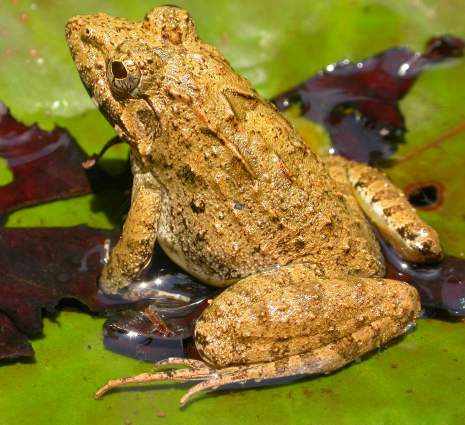
Hoplobatrachus tigerinus
Photo: Sandilya Theuerkauf, CC BY-SA 2.5
Hoplobatrachus tigerinusAmphibian, IUCN: Least ConcernClick to know more

Animals named in its Wikipedia article (CC BY-SA 4.0, not a government source), which may name animals seen once or no longer found there. IUCN status: Wikidata, from the IUCN Red List. Found only in India: Wikipedia's list of India's endemic animals. Photos: Wikimedia Commons.

About

Kumbhalgarh Wildlife Sanctuary is located in the Rajsamand District of Rajasthan State in western India. It surrounds the Kumbhalgarh Fortress and covers an area of 610.528 km2. The sanctuary extends across the Aravalli Range, covering parts of Rajsamand, Udaipur, and Pali districts, ranging from 500 to 1,300 metres in elevation.

About text: Wikipedia (CC BY-SA 4.0), shortened.

Cities nearby on our pages

Rajsamand
Photo: Rahul sadhwani, CC BY-SA 4.0
RajsamandAbout 33 km away in a straight lineClick to know more
Nathdwara
Photo: Rahul sadhwani, CC BY-SA 4.0
NathdwaraAbout 34 km away in a straight lineClick to know more

Tags and facts: Wikidata (CC0), from UNESCO, the Ramsar Convention, the National Tiger Conservation Authority and the Archaeological Survey of India; lists and descriptions from Wikipedia (CC BY-SA 4.0), not a government source; biodiversity hotspots from Conservation International's 2016 map (CC BY-SA 4.0); photos from Wikimedia Commons. Awards: the source named with each.