

Nangal Wildlife Sanctuary
Important facts
From Wikipedia's lists and Wikidata, which cite UNESCO, the Ramsar Convention, the NTCA and the Ministry of Environment.
Find the way there.
Route on the mapAnimals of Nangal Wildlife Sanctuary 2
Threatened, on the IUCN Red List 2
Critically Endangered, Endangered, Vulnerable or Near Threatened.
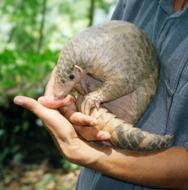

Animals named in its Wikipedia article (CC BY-SA 4.0, not a government source), which may name animals seen once or no longer found there. IUCN status: Wikidata, from the IUCN Red List. Found only in India: Wikipedia's list of India's endemic animals. Photos: Wikimedia Commons.
About
Nangal Wildlife Sanctuary is a protected area located in the foothills of the Shivalik Hills in Rupnagar district, in the state of Punjab, India. It spans an area of 116 hectares and forms a part of the larger Nangal Wetland, situated on the banks of the Sutlej River. The sanctuary is a significant ecological habitat supporting a range of flora and fauna, including several threatened species.
About text: Wikipedia (CC BY-SA 4.0), shortened.
Cities nearby on our pages


Tags and facts: Wikidata (CC0), from UNESCO, the Ramsar Convention, the National Tiger Conservation Authority and the Archaeological Survey of India; lists and descriptions from Wikipedia (CC BY-SA 4.0), not a government source; biodiversity hotspots from Conservation International's 2016 map (CC BY-SA 4.0); photos from Wikimedia Commons. Awards: the source named with each.