

Parambikulam Tiger Reserve

Important facts
From Wikipedia's lists and Wikidata, which cite UNESCO, the Ramsar Convention, the NTCA and the Ministry of Environment.
Timings, tickets and the route from Palakkad.
Parambikulam Wildlife Sanctuary on the Palakkad pagesTimings, tickets and the route from Chittur.
Parambikulam Wildlife Sanctuary on the Chittur pagesTimings, tickets and the route from Pollachi.
Parambikulam Tiger Reserve on the Pollachi pagesFind the way there.
Route on the mapTo know more, visit its own website.
Visit websiteIts entry on the World Heritage List.
UNESCO pageAwards and certifications
Accredited for meeting the global standards for managing a tiger reserve. 14 reserves in India were accredited on 29 July 2021.
Given by Global Conservation Assured | Tiger Standards, announced by the Ministry of Environment, Forest and Climate Change. Source: PIB, Ministry of Environment, Forest and Climate Change, 29 July 2021
Animals of Parambikulam Tiger Reserve 58
Found only in India 23
Native to India and found nowhere else in the wild.


Threatened, on the IUCN Red List 14
Critically Endangered, Endangered, Vulnerable or Near Threatened.


Famous here 1
Named in the description of this place, or a national or State animal or bird.

Other animals 20


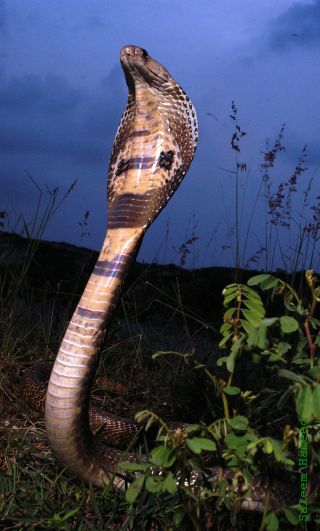


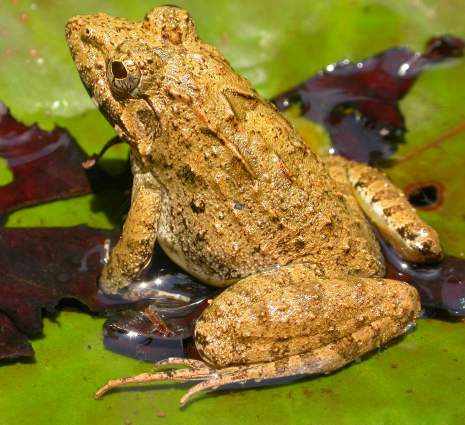
Animals named in its Wikipedia article (CC BY-SA 4.0, not a government source), which may name animals seen once or no longer found there. IUCN status: Wikidata, from the IUCN Red List. Found only in India: Wikipedia's list of India's endemic animals. Photos: Wikimedia Commons.
About
Parambikulam Tiger Reserve, which also includes the erstwhile Parambikulam Wildlife Sanctuary, is a 643.66 km2 protected area lying in Palakkad district and Thrissur district of Kerala state, South India. It had an area of 285 km2 and was established in part in 1973 and 1984. It is in the Sungam range of hills between the Anaimalai Hills and Nelliampathy Hills.
About text: Wikipedia (CC BY-SA 4.0), shortened.
Cities nearby on our pages


Tags and facts: Wikidata (CC0), from UNESCO, the Ramsar Convention, the National Tiger Conservation Authority and the Archaeological Survey of India; lists and descriptions from Wikipedia (CC BY-SA 4.0), not a government source; biodiversity hotspots from Conservation International's 2016 map (CC BY-SA 4.0); photos from Wikimedia Commons. Awards: the source named with each.