JanWatchdog (जन निगरानी)

See where public money goes, from the Centre to your district

Support Us

Phansad Wildlife Sanctuary
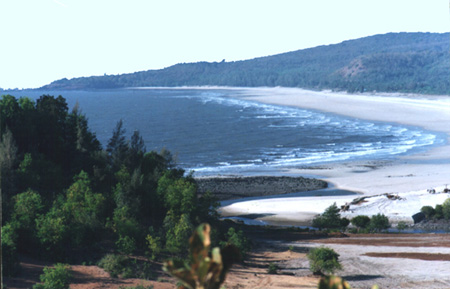
Wildlife sanctuary

Important facts

From Wikipedia's lists and Wikidata, which cite UNESCO, the Ramsar Convention, the NTCA and the Ministry of Environment.

KindWildlife sanctuary
StateMaharashtra
District or townRaigad
Area69.79 sq km
Set up1986
Animals named16

Find the way there.

Route on the map

Animals of Phansad Wildlife Sanctuary 16

Found only in India 3

Native to India and found nowhere else in the wild.

Indian giant squirrel
Photo: VinodBhattu, CC BY-SA 4.0
Indian giant squirrelMammal, IUCN: Least ConcernRatufa indica

Only in IndiaState animal of Maharashtra

Click to know more
Dendrelaphis girii
Photo: Macrobysr, CC BY-SA 4.0
Dendrelaphis giriiReptile, IUCN: Least Concern

Only in India

Click to know more
Uropeltis macrolepis
Photo: Jidnesh Doshi, CC BY-SA 4.0
Uropeltis macrolepisReptile, IUCN: Least Concern

Only in India

Click to know more

Threatened, on the IUCN Red List 6

Critically Endangered, Endangered, Vulnerable or Near Threatened.

White-rumped vulture
Photo: (Image: Goran Ekstrom), CC BY 2.5
White-rumped vultureBird, IUCN: Critically EndangeredGyps bengalensis

Critically Endangered

Click to know more
Dhole
Photo: Davidvraju, CC BY-SA 4.0
DholeMammal, IUCN: EndangeredCuon alpinus

Endangered

Click to know more
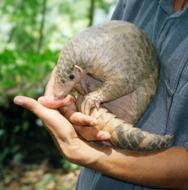
Indian pangolin
Photo: S megan at English Wikipedia, Public domain
Indian pangolinMammal, IUCN: EndangeredManis crassicaudata

Endangered

Click to know more
Gaur
Photo: Cyndy Sims Parr, CC BY-SA 2.0
GaurMammal, IUCN: VulnerableBos gaurus

VulnerableState animal of Goa

Click to know more
Sambar deer
Photo: Rashityagi, CC BY-SA 4.0
Sambar deerMammal, IUCN: VulnerableRusa unicolor

VulnerableState animal of Odisha

Click to know more
Indian python
Photo: Tigerpython, CC BY-SA 3.0
Indian pythonReptile, IUCN: Near ThreatenedPython molurus

Near Threatened

Click to know more

Other animals 7

Indian crested porcupine
Photo: Adityamadhav83, CC BY-SA 3.0
Indian crested porcupineMammal, IUCN: Least ConcernHystrix indicaClick to know more
Indian leopard
Photo: Davidvraju, CC BY-SA 4.0
Indian leopardMammalPanthera pardus fuscaClick to know more
Lesser false vampire bat
Photo: Piekfrosch, GFDL
Lesser false vampire batMammal, IUCN: Least ConcernMegaderma spasmaClick to know more
Northern red muntjac
Photo: Cks3976, CC BY-SA 3.0
Northern red muntjacMammal, IUCN: Least ConcernMuntiacus vaginalisClick to know more
Spot-bellied eagle-owl
Photo: N A Nazeer, CC BY-SA 2.5 in
Spot-bellied eagle-owlBird, IUCN: Least ConcernBubo nipalensisClick to know more
Sri Lanka frogmouth
Photo: Badjoby, CC BY-SA 3.0
Sri Lanka frogmouthBird, IUCN: Least ConcernBatrachostomus moniligerClick to know more
Troides minos
Photo: Sammilan shetty, CC BY-SA 4.0
Troides minosInsect, IUCN: Least ConcernClick to know more

Animals named in its Wikipedia article (CC BY-SA 4.0, not a government source), which may name animals seen once or no longer found there. IUCN status: Wikidata, from the IUCN Red List. Found only in India: Wikipedia's list of India's endemic animals. Photos: Wikimedia Commons.

About

Phansad Wildlife Sanctuary is a wildlife sanctuary in the Murud and Roha talukas of Raigad district, Maharashtra state, India. It was created in 1986 to preserve some of the coastal woodland ecosystem of the Western Ghats and consists of 6,979 ha of forest, grasslands and wetlands. The area was once part of the hunting reserves of the princely state of Murud-Janjira.

About text: Wikipedia (CC BY-SA 4.0), shortened.

Cities nearby on our pages

Roha
Photo: User:Samy293, CC BY-SA 3.0
RohaAbout 12 km away in a straight lineClick to know more
GoregaonAbout 32 km away in a straight lineClick to know more
Alibag
Photo: Abhiram Katta, CC BY-SA 2.0
AlibagAbout 38 km away in a straight lineClick to know more

Tags and facts: Wikidata (CC0), from UNESCO, the Ramsar Convention, the National Tiger Conservation Authority and the Archaeological Survey of India; lists and descriptions from Wikipedia (CC BY-SA 4.0), not a government source; biodiversity hotspots from Conservation International's 2016 map (CC BY-SA 4.0); photos from Wikimedia Commons. Awards: the source named with each.