JanWatchdog (जन निगरानी)

See where public money goes, from the Centre to your district

Support Us

Point Calimere Wildlife and Bird Sanctuary

Ramsar siteBird sanctuary

Important facts

From Wikipedia's lists and Wikidata, which cite UNESCO, the Ramsar Convention, the NTCA and the Ministry of Environment.

KindRamsar site, Bird sanctuary
StateTamil Nadu
District or townNagapattinam, Thanjavur, Thiruvarur
Area385 sq km
Set up1967
Ramsar site since19 August 2002
Animals named30

Find the way there.

Route on the map

Animals of Point Calimere Wildlife and Bird Sanctuary 30

Found only in India 1

Native to India and found nowhere else in the wild.

Bonnet macaque
Photo: Dr. Ajay Balachandran, CC BY-SA 3.0
Bonnet macaqueMammal, IUCN: VulnerableMacaca radiata

Only in IndiaVulnerable

Click to know more

Threatened, on the IUCN Red List 7

Critically Endangered, Endangered, Vulnerable or Near Threatened.

Spoon-billed sandpiper
Photo: JJ Harrison (https://www.jjharrison.com.au/), CC BY-SA 3.0
Spoon-billed sandpiperBird, IUCN: Critically EndangeredCalidris pygmaea

Critically Endangered

Click to know more
Nordmann's greenshank
Photo: JJ Harrison, CC BY-SA 3.0
Nordmann's greenshankBird, IUCN: EndangeredTringa guttifer

Endangered

Click to know more
Indian star tortoise
Photo: Jacob.jose, CC BY-SA 3.0
Indian star tortoiseReptile, IUCN: VulnerableGeochelone elegans

Vulnerable

Click to know more
Olive ridley sea turtle
Photo: Bernard Gagnon, CC BY-SA 3.0
Olive ridley sea turtleReptile, IUCN: VulnerableLepidochelys olivacea

Vulnerable

Click to know more
Asian dowitcher
Photo: JJ Harrison, CC BY-SA 3.0
Asian dowitcherBird, IUCN: Near ThreatenedLimnodromus semipalmatus

Near Threatened

Click to know more
Lesser flamingo
Photo: taken by myself, CC BY-SA 3.0 de
Lesser flamingoBird, IUCN: Near ThreatenedPhoeniconaias minor

Near Threatened

Click to know more
Spot-billed pelican
Photo: CLPramod, CC BY-SA 4.0
Spot-billed pelicanBird, IUCN: Near ThreatenedPelecanus philippensis

Near Threatened

Click to know more

Famous here 5

Named in the description of this place, or a national or State animal or bird.

Blackbuck
Photo: Harshit38, CC BY-SA 4.0
BlackbuckMammal, IUCN: Least ConcernAntilope cervicapra

State animal of Andhra Pradesh

Click to know more
Chital
Photo: Charles J. Sharp, CC BY-SA 4.0
ChitalMammal, IUCN: Least ConcernAxis axis

State animal of Telangana

Click to know more
Indian grey mongoose
Photo: J.M.Garg, CC BY-SA 3.0
Indian grey mongooseMammal, IUCN: Least ConcernHerpestes edwardsii

State animal of Chandigarh

Click to know more
Greater flamingo
Photo: El Golli Mohamed, CC BY-SA 4.0
Greater flamingoBird, IUCN: Least ConcernPhoenicopterus roseus

State bird of Gujarat

Click to know more
Rose-ringed parakeet
Photo: mourad-harzallah, CC BY 4.0
Rose-ringed parakeetBird, IUCN: Least ConcernPsittacula krameri

State bird of Andhra Pradesh

Click to know more

Other animals 17

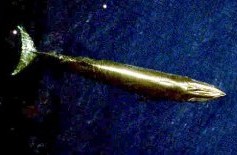
Bryde's whale
Photo: See the file page, Public domain
Bryde's whaleMammalBalaenoptera brydeiClick to know more
Golden jackal
Photo: Giles Laurent, CC BY-SA 4.0
Golden jackalMammal, IUCN: Least ConcernCanis aureusClick to know more
Indian hare
Photo: A.Savin, FAL
Indian hareMammal, IUCN: Least ConcernLepus nigricollisClick to know more
Jungle cat
Photo: L. Shyamal, CC BY-SA 3.0
Jungle catMammal, IUCN: Least ConcernFelis chausClick to know more
Small Indian civet
Photo: Vickey Chauhan, CC BY-SA 4.0
Small Indian civetMammal, IUCN: Least ConcernViverricula indicaClick to know more
Wild boar
Photo: Valentin Panzirsch, CC BY-SA 3.0 at
Wild boarMammal, IUCN: Least ConcernSus scrofaClick to know more
Black-headed ibis
Photo: A.Savin, FAL
Black-headed ibisBird, IUCN: Least ConcernThreskiornis melanocephalusClick to know more
Black-necked stork
Photo: Tisha Mukherjee, CC BY-SA 4.0
Black-necked storkBird, IUCN: Least ConcernEphippiorhynchus asiaticusClick to know more
Blue-tailed bee-eater
Photo: A.Savin, FAL
Blue-tailed bee-eaterBird, IUCN: Least ConcernMerops philippinusClick to know more
Brahminy kite
Photo: Charles J. Sharp, CC BY-SA 4.0
Brahminy kiteBird, IUCN: Least ConcernHaliastur indusClick to know more
Common iora
Photo: Bharat ravat, CC BY-SA 4.0
Common ioraBird, IUCN: Least ConcernAegithina tiphiaClick to know more
Greater coucal
Photo: J.M.Garg, CC BY-SA 3.0
Greater coucalBird, IUCN: Least ConcernCentropus sinensisClick to know more
Green-billed malkoha
Photo: Creepanta, CC BY-SA 4.0
Green-billed malkohaBird, IUCN: Least ConcernPhaenicophaeus tristisClick to know more
Grey partridge
Photo: See the file page, CC BY-SA 3.0
Grey partridgeBird, IUCN: Least ConcernPerdix perdixClick to know more
Painted stork
Photo: JJ Harrison (https://www.jjharrison.com.au/), CC BY 3.0
Painted storkBird, IUCN: Least ConcernMycteria leucocephalaClick to know more
Spotted dove
Photo: Chathunidewminidissa, CC BY-SA 4.0
Spotted doveBird, IUCN: Least ConcernSpilopelia chinensisClick to know more
White-browed bulbul
Photo: J.M.Garg, CC BY-SA 4.0
White-browed bulbulBird, IUCN: Least ConcernPycnonotus luteolusClick to know more

Animals named in its Wikipedia article (CC BY-SA 4.0, not a government source), which may name animals seen once or no longer found there. IUCN status: Wikidata, from the IUCN Red List. Found only in India: Wikipedia's list of India's endemic animals. Photos: Wikimedia Commons.

About

Point Calimere Wildlife and Bird Sanctuary is a protected area in Tamil Nadu, South India, covering 21.47 km2 along the Palk Strait where it meets the Bay of Bengal at Point Calimere at the southeastern tip of Nagapattinam District. It was created in 1967 for the conservation of the blackbuck and also hosts large congregations of waterbirds, especially greater flamingos. It has been classified as an Important Bird Area.

About text: Wikipedia (CC BY-SA 4.0), shortened.

Cities nearby on our pages

Velankanni
Photo: Tiven Gonsalves, CC BY 4.0
VelankanniAbout 41 km away in a straight lineClick to know more
Thiruvarur
Photo: SriniG, CC BY-SA 3.0
ThiruvarurAbout 57 km away in a straight lineClick to know more

Tags and facts: Wikidata (CC0), from UNESCO, the Ramsar Convention, the National Tiger Conservation Authority and the Archaeological Survey of India; lists and descriptions from Wikipedia (CC BY-SA 4.0), not a government source; biodiversity hotspots from Conservation International's 2016 map (CC BY-SA 4.0); photos from Wikimedia Commons. Awards: the source named with each.