

Shendurney Wildlife Sanctuary

Important facts
From Wikipedia's lists and Wikidata, which cite UNESCO, the Ramsar Convention, the NTCA and the Ministry of Environment.
Find the way there.
Route on the mapTo know more, visit its own website.
Visit websiteIts entry on the World Heritage List.
UNESCO pageAnimals of Shendurney Wildlife Sanctuary 2
Other animals 2


Animals named in its Wikipedia article (CC BY-SA 4.0, not a government source), which may name animals seen once or no longer found there. IUCN status: Wikidata, from the IUCN Red List. Found only in India: Wikipedia's list of India's endemic animals. Photos: Wikimedia Commons.
About
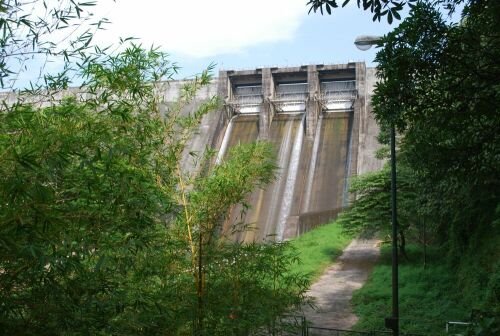
Shendurney Wildlife Sanctuary is a protected area in the Western Ghats, India, located in Kollam district of Kerala and comes under the control of the Agasthyamalai Biosphere Reserve. It was established on 25 August 1984 and comprises 172.403 square kilometres. The name is a corruption of the Chengurinji, a tree endemic to the region.
About text: Wikipedia (CC BY-SA 4.0), shortened.
Cities nearby on our pages


Tags and facts: Wikidata (CC0), from UNESCO, the Ramsar Convention, the National Tiger Conservation Authority and the Archaeological Survey of India; lists and descriptions from Wikipedia (CC BY-SA 4.0), not a government source; biodiversity hotspots from Conservation International's 2016 map (CC BY-SA 4.0); photos from Wikimedia Commons. Awards: the source named with each.